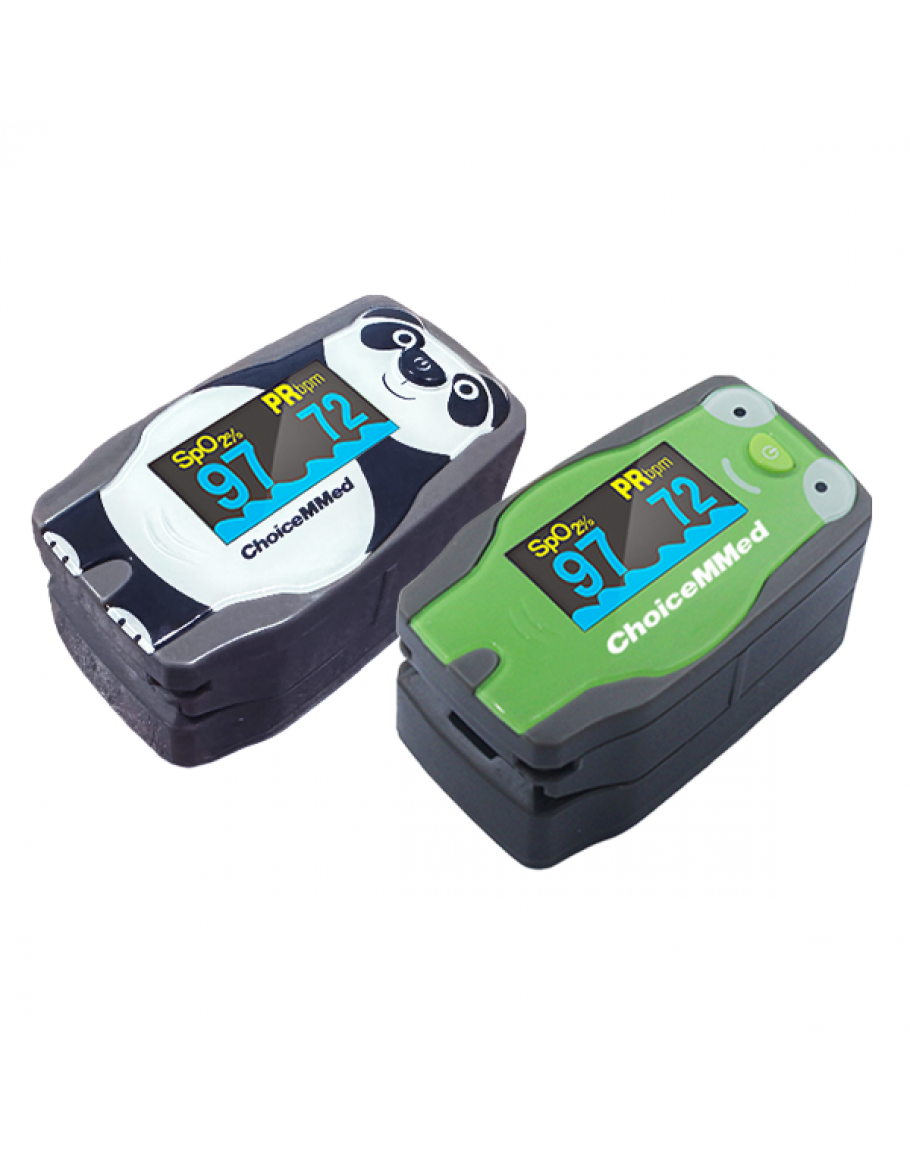
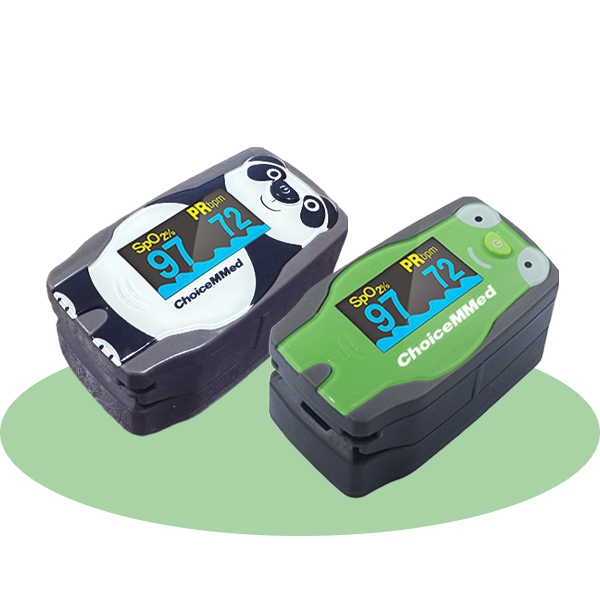
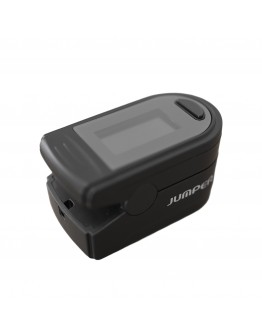
• Compact Design
• OLED Display
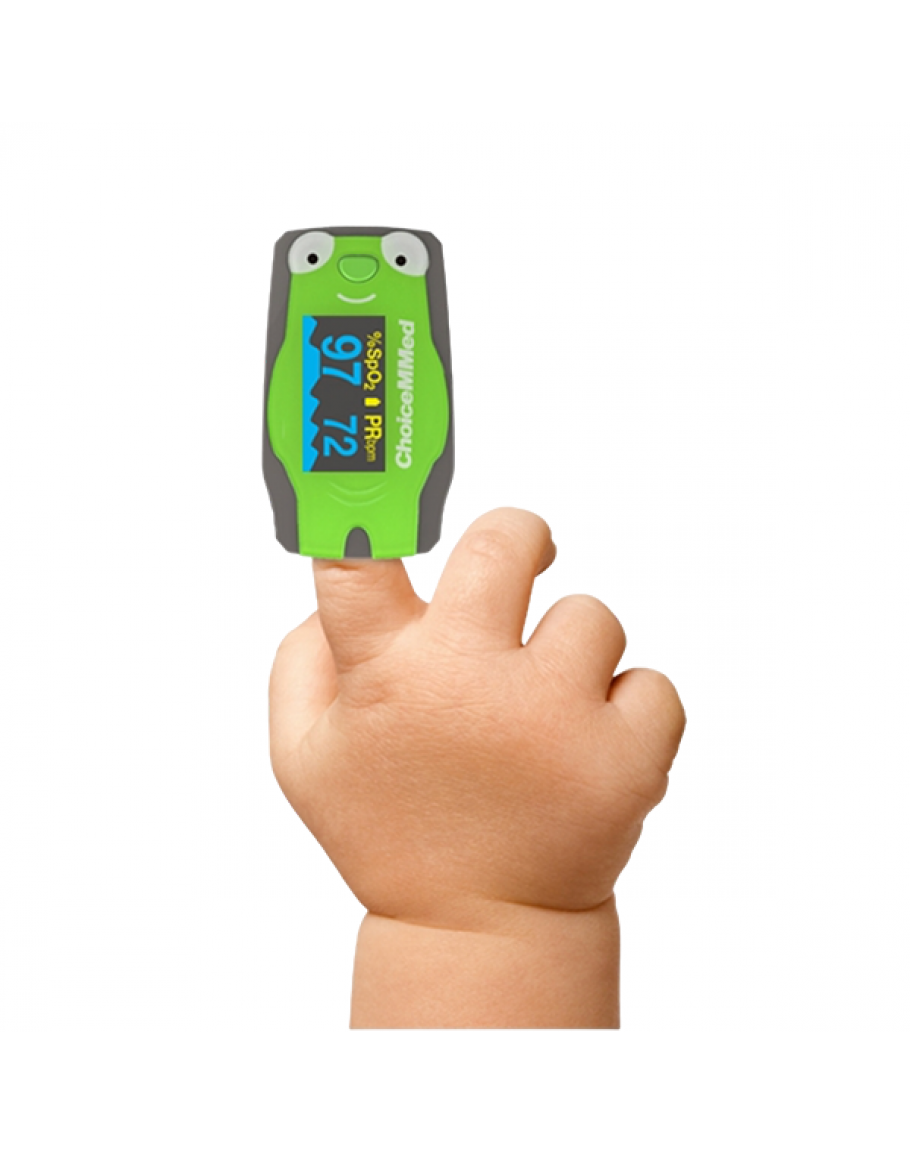
• Suitable for Patients under 12
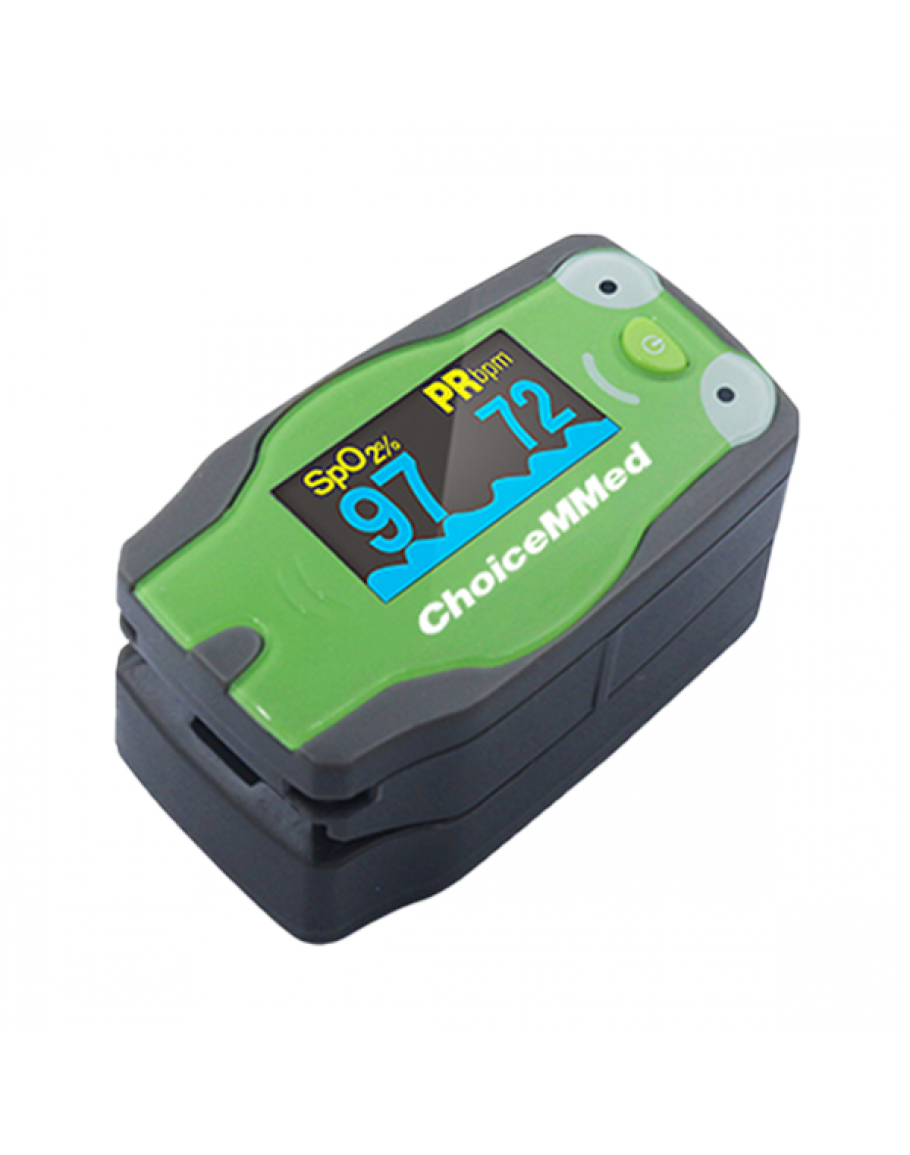
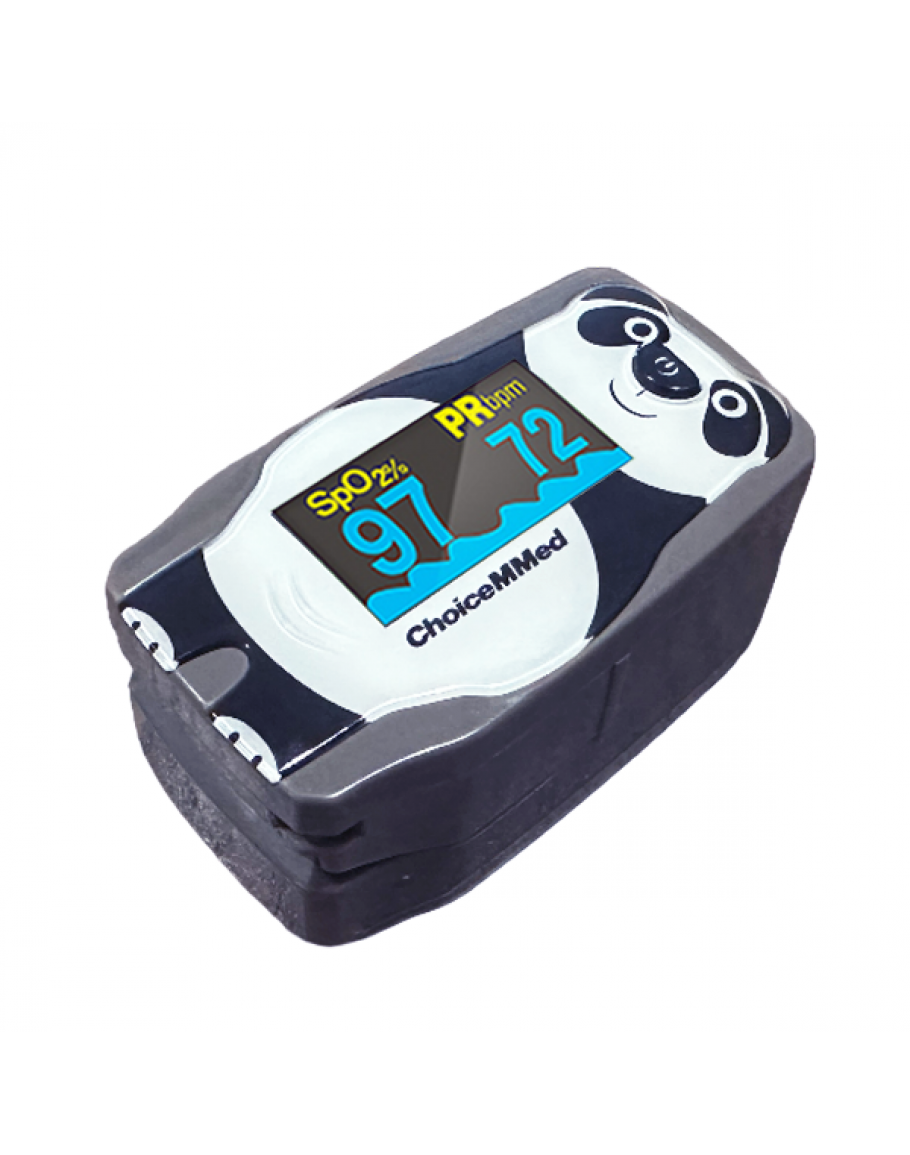
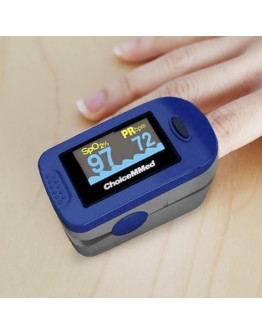
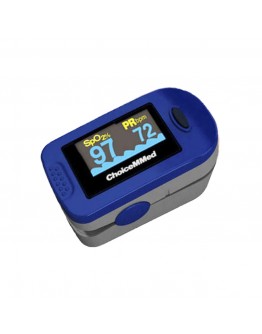
MD300C53 Pediatric Fingertip Pulse Oximeter
Features
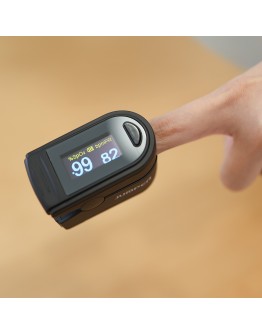
• Dual Colour OLED Displays SpO2 (blood-oxygen saturation) level, Pulse Rate, Pulse Bar, and Waveform
• Small & compact
• Reliable & durable
• Low Power Consumption
• Battery-low indicator
• Adjustable Brightness - 10 levels
• 6 Display Modes
• Automatically Power Off
• Widely used in clinics, hospitals, and social medical organisations, home care and more
Includes
• Pulse Oximeter
• User Manual
• 2 AAA Alkaline Batteries
• Lanyard
Suitable For
• Paediatrics
• Adults
|
|
|
SpO2 |
|
| Measurement Range: |
|
|
70%- 100% |
|
| Measurement Accuracy: |
|
|
80% - 99%: ±2%
70% - 79%: ±3%
≤69%: No definition |
|
|
|
|
Pulse Rate |
|
| Measurement Range: |
|
|
30 - 235 BPM |
|
| Measurement Accuracy: |
|
|
30 - 99 BPM: ±2 BPM
100 - 235 BPM: ±2%
| |
Frequently Asked Questions
Accordion in HTML5
WHAT IS THE DIFFERENCE BETWEEN MD300C22 AND MD300C2?
The primary distinction between the two lies in the display screen: MD300C2 features an LCD display, whereas MD300C22 features an OLED display.
WHAT IS THE DIFFERENCE BETWEEN LCD AND OLED DISPLAY?
LCD (Liquid Crystal Display) and OLED (Organic Light-Emitting Diode) displays differ in how they produce images. OLEDs typically offer better image quality, lower power consumption and can be made flexible, whereas LCDs are more durable.
| Product Specifications |
| Product Features |
| Heart Rate | 30 - 235 BPM ± 2 BPM | | SpO2 | 70% - 100% |
|
| Overall Length |
5 cm / 2.0" |
| Overall Width |
3 cm / 1.2" |
| Overall Height |
2.7 cm / 1.1" |
| Pulse Range |
| Measurement Range | 30 - 235 BPM | | Measurement Accuracy | 30 - 99 BPM: ±2 BPM
100 - 235 BPM ±2 % |
|
| Battery |
2 x AAA Batteries |
| Overall Weight |
25 g |
| Country Of Origin |
Made in China |
| Warranty |
NA |